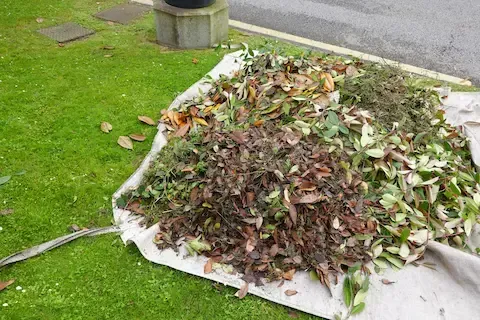
Yard Debris Cleanup Standards for Danbury Properties
Property owners across Danbury and surrounding Connecticut towns face specific yard debris cleanup standards that vary by season, debris type, and local regulations. Understanding these requirements helps maintain compliant properties while protecting community aesthetics and environmental health.
Municipal Collection Standards
Danbury's municipal waste management system operates on specific guidelines for yard debris acceptance and scheduling. Residential properties receive weekly curbside collection during peak seasons, typically running from April through November. Debris must be placed at curbside by 6:00 AM on designated collection days, positioned away from vehicles, mailboxes, and storm drains.
Acceptable materials include leaves, grass clippings, small branches under three inches in diameter, and garden trimmings. Items requiring special handling include large branches, root systems, and stumps, which need separate scheduling through the city's bulk waste program. Contractors and commercial properties follow different protocols, often requiring private hauling arrangements.
Neighboring towns like Bethel, Brookfield, and Ridgefield maintain similar baseline standards but with variations in collection frequency and acceptable container types. Some communities require biodegradable bags, while others accept loose debris bundled with natural cordage.
Seasonal Cleanup Requirements
Spring cleanup focuses on winter damage removal and preparation for growing season. Dead branches, storm debris, and accumulated organic matter require prompt attention to prevent pest issues and promote healthy plant growth. Many properties benefit from Debris Cleanup services during this intensive period.
Summer maintenance involves regular grass clipping management and pruning waste disposal. Heat and moisture accelerate decomposition, making prompt removal essential for odor control and pest prevention. Weekly collection schedules align with typical mowing frequencies in Connecticut's climate.
Fall presents the year's heaviest debris volume with leaf drop and pre-winter pruning activities. Properties with mature trees generate substantial leaf loads requiring multiple collection cycles. Wet leaves compact significantly, affecting volume calculations and collection logistics.
Winter cleanup addresses storm damage and maintains access routes. Ice storms and heavy snow create unique debris types including broken limbs and damaged vegetation requiring immediate attention for safety reasons.
Brush and Branch Handling
Branch diameter determines appropriate disposal methods across Danbury area properties. Materials under three inches diameter typically qualify for regular collection when properly bundled or bagged. Bundles should not exceed four feet in length or fifty pounds in weight, tied with biodegradable twine or rope.
Larger branches require alternative disposal through bulk waste programs or direct transport to municipal composting facilities. The Danbury transfer station accepts brush and branches during specified hours, charging fees based on load size and vehicle type.
Professional tree services generate substantial branch volumes requiring commercial disposal arrangements. These operations typically use specialized equipment for chipping and hauling, coordinating with licensed waste management companies for proper disposal.
Homeowners attempting DIY brush removal should understand weight and volume limitations for both municipal collection and personal vehicle transport. Underestimating these factors leads to collection rejections and potential safety hazards.
Leaf Management Protocols
Leaf collection in Connecticut follows established protocols balancing municipal resources with property owner needs. Danbury's vacuum truck collection requires loose leaves placed along curb edges, avoiding storm drain blockage and traffic obstruction.
Bagged leaf collection offers flexibility for properties with limited storage or irregular schedules. Biodegradable bags decompose during composting, while plastic bags require removal before processing, adding labor costs and environmental concerns.
Mulching in place reduces collection demands while providing soil benefits. Properties with appropriate equipment can manage moderate leaf volumes through mulching mowers, distributing chopped material across lawn and garden areas.
Commercial properties with extensive landscaping often require coordinated collection schedules accommodating business operations and customer access. Planning these services around peak business hours and seasonal customer patterns requires advance coordination.
Storm Debris Response
Weather events create exceptional debris volumes requiring coordinated response across affected areas. Danbury's emergency management protocols activate expanded collection services during significant storm events, prioritizing safety-critical debris removal from roadways and public areas.
Property owners should document storm damage for insurance purposes before cleanup activities begin. Photographic evidence and debris volume estimates support insurance claims and help contractors provide accurate service quotes.
Mixed debris from storm events requires separation for proper disposal. Organic materials suitable for composting must be separated from construction debris, household items, and hazardous materials requiring specialized handling.
Professional cleanup services coordinate with municipal authorities during emergency responses, ensuring compliance with temporary collection protocols and disposal site access requirements. Understanding these relationships helps property owners select appropriate service providers during crisis periods.
Composting and Recycling Options
Connecticut's organic waste diversion goals encourage composting and beneficial reuse of yard debris. Danbury's municipal composting facility processes collected organic materials into finished compost available for resident pickup during designated periods.
On-site composting reduces disposal costs while providing soil amendments for property improvement. Proper composting techniques require understanding carbon-nitrogen ratios, moisture management, and turning schedules for optimal decomposition.
Community composting programs connect property owners with shared resources and expertise. These initiatives reduce individual space requirements while maintaining environmental benefits through coordinated organic waste processing.
Commercial composting services offer managed solutions for properties generating substantial organic waste. These services provide collection containers, regular pickup schedules, and finished compost delivery options supporting comprehensive waste management strategies.
Contractor Selection and Coordination
Professional debris cleanup services provide expertise and equipment beyond typical homeowner capabilities. Licensed contractors understand local regulations, possess appropriate insurance coverage, and maintain relationships with approved disposal facilities.
Service agreements should specify debris types, collection schedules, disposal methods, and pricing structures. Clear communication prevents misunderstandings about scope and ensures compliance with local requirements. Many property owners find value in comparing options like String Trimmer vs Edger services when planning comprehensive yard maintenance.
Seasonal contracts provide predictable service delivery and often include cost savings compared to individual service calls. These agreements work well for properties with consistent debris generation patterns throughout the year.
Emergency response capabilities distinguish professional services during storm events and unexpected cleanup needs. Contractors with standby equipment and flexible scheduling provide valuable insurance against weather-related property damage and municipal collection delays.
Regulatory Compliance and Best Practices
Connecticut environmental regulations govern organic waste disposal and composting operations throughout the state. Property owners and service providers must understand these requirements to avoid violations and support environmental protection goals.
Local ordinances in Danbury and surrounding communities address noise limitations, equipment operation hours, and property access requirements for cleanup activities. Residential areas typically restrict loud equipment operation during early morning and evening hours.
Professional licensing requirements ensure service providers maintain appropriate training and insurance coverage. Homeowners should verify contractor credentials and insurance status before engaging cleanup services to protect against liability and ensure quality service delivery.
Documentation of debris disposal supports environmental compliance and provides records for tax deductions where applicable. Maintaining receipts and service records demonstrates responsible waste management practices and supports property maintenance documentation.
