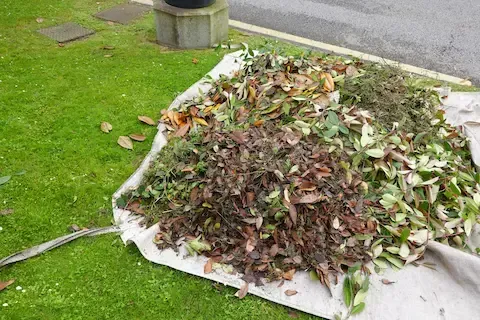
Composting Yard Waste Legally in Danbury CT Backyards
Composting yard waste in your Danbury backyard can be a practical way to reduce what goes to the curb and build healthier soil over time. But doing it legally and without creating problems for yourself or your neighbors takes a bit of planning. Connecticut has statewide composting guidelines, and Danbury follows those while adding local enforcement expectations around nuisance complaints, setback requirements, and what materials are actually allowed in a residential pile. Whether you're just getting started or rethinking an existing setup, understanding the local rules before you build your pile matters.
What Connecticut Law Says About Backyard Composting
Connecticut's solid waste regulations encourage composting as a diversion strategy, but they draw a clear line between residential backyard composting and commercial or community composting operations. For residential use, the state allows composting of yard waste materials like leaves, grass clippings, and plant trimmings without a permit, provided the compost is for personal use on your own property.
The Connecticut Department of Energy and Environmental Protection (DEEP) provides guidance through its composting program, emphasizing that backyard compost should not become a nuisance. That means no odors drifting to neighboring properties, no pest attraction, and no leachate running off your lot. These aren't just suggestions — they're the legal basis for enforcement if a neighbor files a complaint with the City of Danbury's health or zoning departments.
What You Can and Cannot Compost Legally in Danbury
Permitted materials for residential composting in Danbury include:
- Fallen leaves and leaf litter
- Grass clippings
- Garden trimmings, plant stalks, and spent flowers
- Untreated wood chips and small branches
- Straw and hay used as mulch
What you should not add to a backyard compost pile includes meat, fish, dairy products, cooked food scraps, pet waste, and treated wood. These materials attract animals, generate strong odors, and can introduce pathogens into the pile. Adding them doesn't just make composting harder — it creates conditions that can trigger a nuisance complaint under Danbury's local ordinances.
Invasive plant species and diseased plant material are also worth avoiding. Adding plants like Japanese knotweed or bittersweet to a home pile that doesn't reliably reach high internal temperatures can result in spreading those species rather than killing them. In Fairfield County, where invasive plant pressure is a documented land management challenge, this is a practical concern, not a hypothetical one.
Pile Placement and Setback Considerations
Danbury doesn't publish a single specific composting setback ordinance in the same way some towns do, but nuisance and zoning code language effectively creates placement expectations. Keeping your compost pile away from property lines — generally at least ten to fifteen feet — reduces the likelihood of odor or visual complaints from adjoining properties. Placement near a fence or dense plantings can help screen the pile but should not substitute for proper setback distance.
Avoid placing a pile near storm drains, drainage swales, or the edges of Danbury's regulated inland wetlands. If your backyard borders wetland buffer areas common in sections of Danbury like Tarrywile Park's surrounding neighborhoods or along the Still River corridor, you may have stricter restrictions on disturbing soil and introducing organic material near those buffer zones. When in doubt, contact the Danbury Inland Wetlands Commission before siting a pile in those areas.
Odor Control and Pest Prevention Are Legal Requirements
Odor is the most common reason backyard composting becomes a legal problem. A properly managed pile should not smell. If it does, the chemistry is off — usually too much nitrogen-rich green material, too much moisture, or insufficient aeration. Layering carbon-rich browns like dry leaves with greens, turning the pile regularly, and avoiding overwatering keeps decomposition aerobic and odor-free.
Pest prevention is equally important. Rodents and other wildlife drawn to a compost pile can quickly become a neighborhood nuisance issue in Danbury's residential districts. Using a fully enclosed bin with a locking lid rather than an open pile significantly reduces this risk. If you use an open bin or windrow method, avoid adding any food-adjacent materials and bury new additions beneath existing compost rather than leaving them on top.
Common Mistakes That Create Legal and Neighbor Problems
Several patterns come up repeatedly when Danbury residents run into complaints about backyard composting:
- Piling grass clippings without mixing: Thick layers of fresh grass clippings go anaerobic quickly and produce sulfur-like odors that travel far. Always mix clippings with dry leaves or wood chips.
- Ignoring pile size: A pile that grows beyond what you can manage or turn becomes a solid waste storage issue, not a compost operation.
- Adding material after fall cleanup without turning: Large volumes of leaves added at once without incorporation can mat and slow decomposition for months.
- Assuming "natural" means legal: Everything biodegrades eventually, but that doesn't mean everything is appropriate for a residential compost pile under Connecticut guidelines.
If you're not sure whether your current setup meets local expectations, a call to Danbury's Health Department can clarify the standards before a complaint escalates.
When Composting Makes Sense Versus When Removal Is Better
Composting works well for ongoing yard maintenance — the leaves that fall each season, routine grass clippings, and light garden trimming. It's a sustainable loop when the volume is manageable and the material is appropriate.
But there are situations where composting isn't the right answer. Storm cleanup debris, large volumes of brush and limbs, invasive plant material, or significant accumulations from neglected properties often exceed what a backyard compost system can handle. In those cases, professional Debris Cleanup is a more appropriate solution — both practically and from a compliance standpoint.
Similarly, if you're dealing with diseased plant material, treated wood from old structures, or debris mixed with non-organic material, composting is not a legal or effective option. Having that material removed by a service familiar with Danbury's disposal standards keeps you on the right side of local ordinances without the guesswork.
Local Resources and Leaf Disposal Programs in Danbury
Danbury offers seasonal leaf collection that provides an alternative to backyard composting for residents who don't want to manage a pile. The city runs curbside leaf pickup in the fall, typically accepting bagged or loose leaves placed at the curb during designated collection windows. Checking the City of Danbury's Public Works Department schedule each season ensures you're using the program correctly and not leaving leaves out outside the collection window, which can draw its own citations.
For residents who generate large volumes of yard waste and want to understand both composting and disposal options together, reviewing Yard Debris Cleanup Standards gives useful context on how professional yard waste handling compares to DIY composting in terms of what's practical and what's legally compliant in this area.
A Practical Approach to Composting in Danbury
Backyard composting in Danbury is legal, encouraged, and environmentally useful when done correctly. The core requirements are straightforward: use permitted materials, maintain appropriate setbacks, control odors, prevent pest access, and keep the pile manageable. Most problems arise not from the concept of composting but from implementation — piles that grow too large, receive the wrong materials, or sit too close to a property line.
If you're setting up a new system or troubleshooting an existing one, start with the basics: a properly sited enclosed bin, a balanced mix of greens and browns, regular turning, and a clear understanding of what Danbury's health and zoning departments consider compliant. That foundation makes composting a neighborhood-friendly practice rather than a source of complaints.
