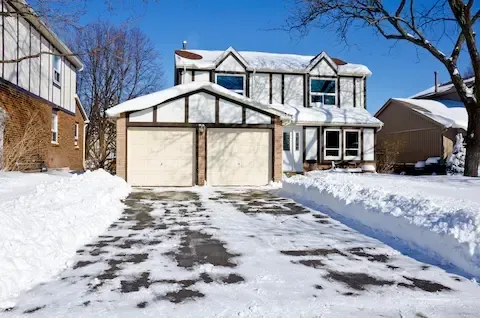
Asphalt vs Concrete Driveway Snow Care in Danbury CT
Your driveway material makes a bigger difference than most Danbury homeowners realize once winter arrives. Asphalt and concrete each respond to plowing, ice melt, and Connecticut's relentless freeze-thaw cycles in distinct ways — and choosing the wrong maintenance approach for your surface can quietly shorten its lifespan by years. Whether you're on a newer concrete slab in Lake Haystack or a well-worn asphalt drive off Padanaram Road, understanding how your surface behaves in cold weather is the first step toward protecting it all season long.
How Asphalt Handles Winter Conditions in Connecticut
Asphalt is the more forgiving surface when it comes to freeze-thaw stress. The material has natural flexibility, which means it can expand and contract with temperature swings without cracking as readily as a rigid surface. This is a real advantage in Danbury, where temperatures can dip into the single digits one week and climb back into the 40s the next.
That said, asphalt comes with its own winter vulnerabilities. The surface is petroleum-based, which means certain ice-melt chemicals — especially those containing calcium magnesium acetate at high concentrations — can soften the binder over time. Repeated plow contact on an older asphalt driveway can also pull up loose aggregate if the blade angle is too aggressive or the pavement is already degraded.
For asphalt driveways, the better ice-melt choices are sand for traction or magnesium chloride at modest application rates. Rock salt (sodium chloride) works but should be used sparingly — it's effective at melting ice down to around 20°F, but heavy use accelerates surface wear and runoff can damage nearby grass and planting beds. Sealing your asphalt in late fall before the ground freezes adds a protective barrier that slows moisture penetration into the pavement base, which is where the real freeze-thaw damage begins.
How Concrete Performs Through Danbury Winters
Concrete driveways are rigid and dense, which gives them excellent load-bearing strength but makes them more vulnerable to cracking under thermal stress. When water seeps into even a hairline crack and then freezes, it expands roughly nine percent in volume — enough force to widen that crack significantly over a single winter. In Danbury's climate, where hard freezes are common from December through early March, this mechanism causes real cumulative damage.
The bigger concern with concrete in winter is deicing chemistry. Sodium chloride (rock salt) and calcium chloride are both hard on concrete, particularly in the first few winters before the surface has fully cured. These compounds create a brine that works down into the concrete pores, and when that brine refreezes, it causes surface scaling — the flaking, pitted appearance you often see on older concrete driveways and sidewalks. Once scaling starts, it tends to accelerate.
If you have a concrete driveway, the safest ice-melt option is magnesium chloride, which is less corrosive at the surface level. Sand provides traction without chemical risk. Avoid urea-based products if you have reinforced concrete — they can promote corrosion of the rebar beneath the slab over time. A penetrating concrete sealer applied before winter dramatically reduces moisture absorption and is one of the most cost-effective protective steps a Danbury homeowner can take.
Plow Practices That Matter for Both Surfaces
How the plow blade interacts with your driveway matters as much as what you put on it afterward. A steel blade set at ground level works well on asphalt because the surface has some give, but on concrete, direct blade-to-surface contact can chip edges and score the slab — especially around expansion joints. Many professional plow operators use blade shoes or rubber edge attachments when working on concrete to keep the steel slightly above the surface.
For both asphalt and concrete, leaving a thin skim of snow behind and finishing with ice melt is often preferable to scraping completely to the surface. That thin layer acts as a minor buffer and reduces the risk of blade damage. Driveway Snow Clearing services familiar with local driveways understand these nuances and can adjust approach based on your specific surface type.
Timing also matters. Clearing snow before it compacts under foot traffic or vehicle weight prevents the packed ice layer that's hardest on both surfaces. In Danbury, a 6-inch snowfall that sits for 24 hours becomes significantly harder to remove cleanly than fresh accumulation.
Freeze-Thaw Cycles: The Hidden Stress Factor
Danbury sits in USDA Hardiness Zone 6b, which means the area typically sees 20 to 30 freeze-thaw cycles per winter season. Each cycle — where the temperature drops below 32°F at night and rises above it during the day — creates stress on any paved surface. This cycling is why even well-maintained driveways begin to show fatigue after ten to fifteen years.
Asphalt tends to show this stress as surface cracking and minor raveling at the edges. These can often be addressed with crack filler and a fresh seal coat. Concrete shows freeze-thaw stress more dramatically through scaling, joint separation, and full-depth cracking. Repairs to concrete are generally more expensive and less seamless than asphalt patching, which is a factor worth considering if your concrete driveway is already showing early signs of wear.
Understanding how your specific driveway material responds to these cycles helps you plan the right maintenance schedule. Reading through Driveway Snow Clearing Standards gives you a practical baseline for what good professional service should include for either surface type.
Choosing the Right Ice Melt for Your Driveway
Here is a quick reference for matching ice-melt products to your surface in Danbury's winter conditions:
- Magnesium chloride — Safest for both asphalt and concrete; effective to around -13°F; less corrosive to metal and plant material
- Calcium chloride — Highly effective in extreme cold but hard on concrete; use sparingly and only when temperatures drop below what magnesium chloride can handle
- Sodium chloride (rock salt) — Budget-friendly and widely available; acceptable on asphalt in moderate use; damaging to concrete and surrounding vegetation
- Sand — No chemical risk; provides traction but does not melt ice; must be cleaned up in spring to avoid storm drain clogging
- Potassium chloride — Milder than rock salt; less effective below 25°F; reasonable choice for concrete driveways in moderate winter conditions
Local Considerations for Danbury Driveways
Danbury's terrain adds an extra layer of complexity. Sloped driveways — common in the neighborhoods around Tarrywile Park and along the hillier streets north of the I-84 corridor — see more ice formation than flat surfaces because meltwater runs down and refreezes near the garage apron. On these driveways, a heated mat or targeted application of ice melt at the base of the slope prevents the most dangerous ice buildup without saturating the whole surface with product.
Older driveways in established Danbury neighborhoods may have surfaces that are already compromised. If your driveway shows significant cracking, heaving, or scaling, winter maintenance alone won't reverse that deterioration. In those cases, the conversation shifts from protection to repair planning before the next freeze season arrives.
