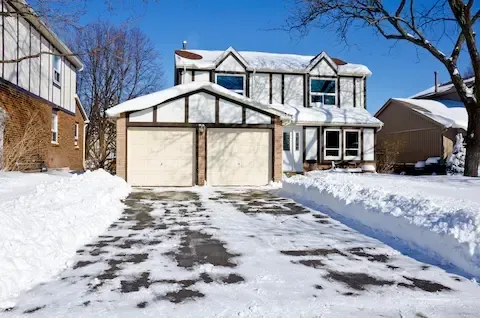
Driveway Snow Clearing Standards for Danbury CT Homes
Western Connecticut winters don't follow a predictable script. Danbury sits in a corridor where nor'easters from the coast and cold-air systems sweeping down from the Berkshires can combine to produce fast-accumulating, heavy snowfall that overwhelms unprepared homeowners. Knowing exactly what separates a thorough driveway clearing job from a rushed pass with a plow matters when you're dealing with icy refreezes, gravel surfaces, or a steep incline off Padanaram Road. Whether you manage a long rural driveway near Tarrywile Park or a tight double-wide in the Aunt Hack neighborhood, the standards that govern quality snow removal work are worth understanding before the season starts.
Why Danbury's Geography Shapes Snow Removal Requirements
Danbury's terrain is genuinely varied. The city spans elevations that range from relatively flat commercial corridors near I-84 to hilly residential streets that wind through the western and northern parts of town. Elevation differences of even a few hundred feet can mean the difference between a light dusting and a half-foot of dense, wet snow. Streets near Candlewood Lake often see lake-effect moisture that turns moderate storms into heavy accumulation events.
That topographic variation creates real operational challenges. A plow truck that handles flat driveways off South Street without difficulty may struggle on the steep pitches common near the Deer Hill or Hayestown neighborhoods. A proper snow removal contractor accounts for surface type, slope grade, and the unique drainage patterns on each property. Runoff that refreezes overnight on a sloped driveway is one of the most common causes of slip-and-fall incidents for Danbury homeowners, and preventing it requires more than a single plow pass.
Local zoning and HOA rules also affect what clearing looks like. Some communities in Danbury and the surrounding Fairfield County area have guidelines about where displaced snow can be placed, particularly near storm drains or shared property lines. Understanding those expectations before work begins protects both the homeowner and the contractor.
Trigger Depths and When Clearing Should Begin
One of the most practical decisions in any snow removal agreement is the trigger depth — the accumulation level at which a contractor begins service. Most residential contracts in the Danbury area use a two-inch trigger, meaning service activates once snowfall reaches two inches of accumulation on the driveway surface.
Two inches is a reasonable industry standard for most driveways, but it isn't the only option. Here's how trigger depths typically break down:
- One-inch trigger: Used for properties with steep grades, elderly occupants, or zero-tolerance safety requirements. Higher service frequency at higher cost.
- Two-inch trigger: The most common residential standard. Balances service frequency with cost. Works well for most flat to moderately sloped driveways.
- Four-inch trigger: Appropriate for very long driveways where one pass after a larger storm is more efficient. Typically used on rural properties with gradual slopes and no foot traffic concerns.
Trigger depth should match your actual situation. A two-inch trigger that sounds affordable on paper becomes a problem if your driveway ices over before the contractor arrives or if your household includes someone with limited mobility. Discuss your specific circumstances before signing any seasonal contract.
Route Prep and Pre-Storm Planning
Quality snow clearing work in Danbury begins before the first flake falls. Pre-storm planning by a competent contractor involves staking vulnerable lawn edges and landscaping features, marking curbs and transitions that aren't visible once buried, and confirming access arrangements — especially for driveways with automatic gates or alarm systems that require advance notice.
Driveway stakes matter more than many homeowners realize. Without them, a plow operator working in low visibility or dark conditions has no reference point for where the paved surface ends and the lawn or landscaping begins. Torn-up turf edges and damaged sprinkler heads near the driveway apron are almost always the result of unstaked driveways.
Salt or sand pre-treatment is another pre-storm variable. Applying a light layer of pretreating material before precipitation begins prevents the bonding of snow and ice to the pavement surface. This is especially valuable on asphalt driveways in Danbury, where the freeze-thaw cycle through January and February creates conditions that allow ice to bond aggressively to surface irregularities. Pre-treating adds cost but significantly reduces the effort required during and after the storm.
Finish Quality Standards for Residential Driveways
A completed driveway clearing job should meet specific standards that go beyond simply moving snow off the main surface. Here's what high-quality work looks like on a Danbury residential property:
- Clean apron at the street: The area where the driveway meets the road should be cleared of the windrow left by municipal plows. Danbury's Department of Public Works typically completes main road plowing passes that push snow back into driveway aprons. A complete job addresses this secondary accumulation.
- Cleared turnaround or parking area: If the property includes a turnaround, parking pad, or garage apron, those areas should be cleared in the same service pass rather than left as an add-on.
- Edge cleanup: Snow that has been pushed to the lawn edge should be distributed in a way that avoids piling excessive weight against fences, landscape lighting, or foundation plantings.
- Surface treated for refreeze: After plowing, residual moisture on the pavement will refreeze if temperatures drop. Application of ice melt or sand to the cleared surface is the final step in a complete job.
- No windrows blocking mailboxes or pedestrian paths: Snow displaced during plowing should not be stacked in a way that blocks walkway access, mailboxes, or hydrant clearance zones.
These standards aren't aspirational — they represent the baseline that separates professional service from a quick pass that creates new problems. When evaluating a contractor, ask specifically how they handle the street apron and post-plow icing. Those two details tell you a great deal about the quality of their operation.
Seasonal vs. Per-Event Pricing Models
Snow removal pricing in the Danbury area follows two main structures, each with tradeoffs worth understanding.
Per-event pricing charges a flat rate for each service visit. For most residential driveways in Fairfield County, per-event rates typically range from $45 to $125 depending on driveway size, slope, and the scope of work included. This structure is transparent and scales with actual snowfall — light winters cost less. However, it can create budget uncertainty in active storm seasons and sometimes creates incentives to combine visits when a property would benefit from more frequent clearing.
Seasonal contracts charge a fixed fee for the entire snow season regardless of how many events occur. In Danbury, seasonal contracts typically run from November 15 through March 31 and are priced based on historical average storm frequency. This structure gives homeowners budget predictability and removes any friction around requesting service during a storm. The tradeoff is that in an unusually light winter, you've prepaid for capacity you didn't need.
A third hybrid model charges a reduced seasonal retainer that guarantees availability and priority routing, then adds a reduced per-event fee for each service call. This model is increasingly common among quality contractors in the area and offers a reasonable middle ground. For more information about equipment comparisons that affect service quality and pricing, the Plow Truck vs Snow Blower Picks post covers the practical differences between clearing methods in detail.
Surface-Specific Considerations for Danbury Driveways
Not all driveways are created equal, and surface type significantly affects how clearing should be approached.
Asphalt driveways are the most common in Danbury residential neighborhoods and are well-suited to plow blades set just above surface contact. Asphalt holds heat better than concrete, which marginally reduces ice bonding. However, older asphalt with cracks and surface irregularities can be damaged by aggressive plow contact.
Concrete driveways require the same basic approach but are more susceptible to damage from certain deicing chemicals. Sodium chloride at high concentrations can accelerate concrete surface pitting over multiple seasons. Calcium chloride or magnesium chloride-based products are gentler options, particularly for newer or sealed concrete surfaces.
Gravel driveways present the most nuanced challenge. A plow blade run directly on a gravel surface will displace significant material, creating ruts and spreading gravel into surrounding lawn or landscape areas. Gravel driveways should be serviced with the blade slightly elevated — typically one to two inches — and with stakes marking the driveway boundaries clearly. Some gravel driveways benefit from light compaction early in the season to create a firm base layer before snow accumulates.
Pavers and stamped concrete require care around joints and edges. Plow contact with raised paver edges can chip or crack individual units, and deicing chemicals can stain or etch decorative surfaces. Contractors working on these surfaces should use rubber cutting edge attachments on plow blades and apply deicers sparingly.
Evaluating a Snow Removal Contractor Before the Season
Hiring a snow removal contractor in Danbury before October gives you leverage. Once the first significant storm is forecast, reputable contractors fill their route capacity quickly and latecomers often end up with whoever is still available — which is not always who you'd choose.
When evaluating contractors, focus on these areas:
- Route capacity and response time commitment: Ask how many properties are on the contractor's route and what their typical response window is after a storm trigger. A route that's overloaded will always serve you later than you'd prefer.
- Equipment backup: Mechanical breakdowns during storms are a reality. Ask whether the contractor has backup equipment or a network arrangement with other operators to ensure continuous service.
- Insurance coverage: Verify that the contractor carries general liability and commercial auto insurance. Property damage during plowing is infrequent but not rare, and you should not be absorbing that risk.
- Communication systems: Quality contractors send storm notifications, service completion confirmations, and billing electronically. If a contractor operates entirely by phone tag, that's a signal about how the relationship will function during a busy storm week.
- References from Danbury-area clients: A contractor who has operated in the city for multiple seasons understands local street conditions, municipal plow timing, and the storm patterns that are specific to this part of Fairfield County.
The Driveway Snow Clearing service page includes additional details about service areas, contract options, and what to expect during the onboarding process for new clients.
What Danbury Homeowners Should Confirm Before Each Storm Season
Even if you've used the same contractor for several years, a brief pre-season conversation every fall protects you from assumption gaps. Confirm that your driveway stakes have been replaced if prior season stakes were lost or damaged. Verify that your trigger depth, service scope, and any special instructions are still accurately reflected in the contractor's records. If you've added landscaping, changed your gate code, or modified your parking area since the last winter, communicate those changes before the first storm.
Also confirm how billing will work during the season and who to contact if you have a service concern. Clear communication expectations before the season starts prevents misunderstandings during the moments when you most need the relationship to function smoothly — which is always at 6 AM the morning after a nor'easter when you need to reach your driveway before your commute.
Western Connecticut winters reward preparation. Understanding the standards that define quality snow removal work — and knowing what to ask before you sign a contract — puts you in a significantly stronger position to get through the season without a service failure at the worst possible moment.
