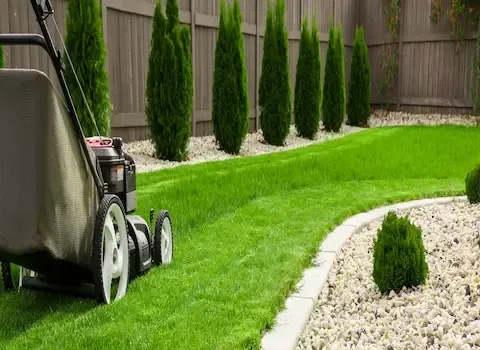
Zone 6b Grass Varieties for Danbury Homes and Yards
Danbury sits squarely in USDA Hardiness Zone 6b, which means your lawn faces a specific set of challenges that grass varieties from warmer or cooler regions simply are not built to handle. Winters here regularly push temperatures down to minus five degrees Fahrenheit, spring arrives with alternating warm spells and hard frosts, and summer brings enough heat and humidity to stress turf that is not properly selected. Add in the rocky, glacially deposited soil common across western Connecticut, the variable shade patterns from mature trees and hillside terrain, and you have a growing environment that rewards careful grass selection and punishes guesswork.
Why Zone 6b Matters More Than You Might Think
Zone 6b is a transitional climate. It sits at the edge where cool-season grasses perform best but warm-season grasses struggle to survive winter. That transitional position is actually an advantage for Danbury homeowners because it opens up a full range of cool-season turf options without the risk of chronic summer dormancy that plagues lawns further north. The key is matching your grass choice not just to the climate zone but to your specific yard conditions: sun exposure, soil type, drainage, and how much maintenance you are realistically willing to commit to throughout the season.
The Best Cool-Season Grasses for Danbury Yards
Cool-season grasses are the right family for Zone 6b. They germinate and establish in fall, stay green through winter in milder stretches, grow actively in spring and fall, and go semi-dormant during the hottest part of summer. These are the varieties that consistently perform well in Danbury conditions.
Kentucky Bluegrass
Kentucky bluegrass is the classic northeastern lawn grass, and for good reason. It produces a dense, fine-textured turf with a rich blue-green color that looks polished in front yards and formal lawn areas. It has excellent cold hardiness well below Zone 6b minimums and recovers well from winter damage through its spreading rhizome root system. The tradeoff is that Kentucky bluegrass needs full sun, performs poorly in shade, and requires consistent moisture during summer stress periods. On the rockier, south-facing lots common in Danbury neighborhoods, it can thin out unless irrigation is available.
Tall Fescue
Tall fescue has become the workhorse grass of Zone 6b lawns for good reason. Modern turf-type tall fescue varieties are drought-tolerant, shade-tolerant, and far more adaptable to the variable soil conditions found across Danbury than either Kentucky bluegrass or fine fescue blends. Its deep root system reaches through rocky topsoil to find moisture, which makes it particularly suited to the uneven, ledge-influenced lots you find throughout western Connecticut. It does not spread by rhizomes or stolons, so bare spots require reseeding rather than waiting for natural fill-in, but overall it is the most maintenance-friendly option for homeowners who want a reliable lawn without intensive management.
Fine Fescue Blends
Fine fescues, including creeping red fescue, chewings fescue, and hard fescue, thrive in the shadier, drier conditions that challenge other grass types. If your yard has significant tree canopy, north-facing slopes, or areas under roof overhang where moisture is limited, a fine fescue blend will outperform every other option. These grasses are also low-input by nature, needing less fertilizer and less frequent mowing than bluegrass or tall fescue. They are not suited for high-traffic areas or consistently wet soil, but for the shaded, low-traffic sections of a Danbury backyard they are an excellent choice.
Perennial Ryegrass
Perennial ryegrass germinates faster than any other cool-season grass, which makes it useful in seed mixes and for overseeding bare spots quickly in fall. It has a fine to medium texture and handles moderate traffic well. However, it is less cold-hardy than tall fescue or Kentucky bluegrass when temperatures push into Zone 6b extremes, and it does not tolerate drought stress well. It works best as a companion grass in a blend rather than as a stand-alone lawn grass in Danbury conditions.
Matching Grass to Your Specific Yard Conditions
No single variety is the right answer for every Danbury property. A shaded backyard beneath mature oaks calls for a different approach than a sunny front lawn on a south-facing slope. Before selecting seed, walk your yard and take note of a few things: how many hours of direct sun each section receives, whether drainage is quick or slow after rain, and where foot traffic and play activity are concentrated.
For full-sun front yards with decent soil, a Kentucky bluegrass and perennial ryegrass blend gives you color and durability. For mixed sun and shade in a typical suburban backyard, a tall fescue and fine fescue combination covers both zones without requiring separate management. For heavily shaded areas or rocky spots with thin topsoil, lean entirely toward fine fescues and keep expectations realistic about density. Lawn Mowing Schedule and Care details how mowing height varies by grass type, which directly affects how well your chosen variety handles summer stress.
Soil Preparation and Seeding Timing in Western Connecticut
Grass selection only gets you halfway there. Zone 6b lawns in Danbury benefit enormously from soil preparation before seeding. The glacially deposited mix of sand, clay, and rock fragments common in this part of Fairfield County can be compacted, poorly draining, or too shallow for deep root development. A soil test from the UConn Extension office will tell you exactly what your pH and nutrient levels look like, and in most Danbury yards, lime application to raise pH toward the 6.0 to 7.0 range that cool-season grasses prefer is worthwhile.
Timing matters considerably in Zone 6b. Late August through mid-October is the optimal window for seeding. Soil temperatures are warm enough for germination, air temperatures are cooling down, and the risk of summer disease pressure drops sharply. Spring seeding is possible but consistently less successful here because the window between soil warmth and summer heat stress is short. If you are overseeding an existing lawn rather than starting from bare soil, aeration before seeding improves seed-to-soil contact significantly on the compacted ground typical of older Danbury neighborhoods.
Ongoing Maintenance Expectations by Grass Type
Once established, your grass variety determines a large part of your maintenance routine. Kentucky bluegrass requires the most input: consistent fertilization, irrigation during dry spells, and vigilance against fungal disease in humid summers. Tall fescue sits in the middle, needing regular feeding and occasional overseeding but tolerating periods of drought and neglect without permanent damage. Fine fescues are the lowest-input option, needing infrequent fertilization and minimal irrigation once established.
Mowing height is not optional in Zone 6b. Cutting cool-season grasses too short during summer heat dramatically increases stress, thins the turf, and invites weed pressure. Tall fescue should be kept at three to four inches, Kentucky bluegrass at two and a half to three and a half inches, and fine fescues at two to three inches during summer. Professional Lawn Mowing services that understand these height requirements make a meaningful difference in turf health over the course of a full season.
A Practical Turf Strategy for Danbury Homeowners
The most successful lawns in western Connecticut are not single-variety monocultures. They are thoughtful blends that account for the actual variation in any given yard. Start with a turf-type tall fescue as your base, add Kentucky bluegrass if your sun exposure is strong, and incorporate fine fescues in shaded or dry zones. Seed in fall, prepare your soil properly beforehand, and set your mowing height before the first summer heat wave. Zone 6b gives you every tool you need for a genuinely attractive, durable lawn. Matching the right grass to your specific Danbury property is how you take full advantage of it.
