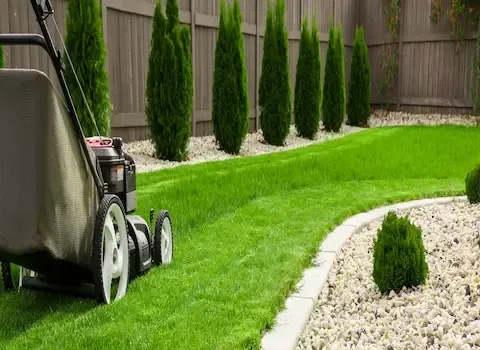
Proper Mowing Height for Danbury CT Cool-Season Lawns
The correct mowing height for cool-season lawns in Danbury, CT depends on the grass type. Tall fescue performs best at 3.5 to 4 inches. Kentucky bluegrass thrives at 2.5 to 3.5 inches. Perennial ryegrass should be kept between 2.5 and 3.5 inches. Danbury's humid continental climate means cool-season grasses grow actively in spring and fall but stress in summer heat. Raising your mowing height by half an inch during July and August protects root depth and reduces drought stress. Never remove more than one-third of the blade in a single cut.
What Is the Best Mowing Height for Tall Fescue in Danbury CT?
Tall fescue is the most common lawn grass in Danbury and throughout Fairfield County. It thrives at a maintained height of 3.5 to 4 inches during the active growing seasons of spring and fall. This grass develops deep roots when kept slightly taller, which helps it survive Danbury's periodic summer dry spells. During June through August, raise the deck to 4 to 4.5 inches. This shades the soil, retains moisture, and reduces heat stress on the crown of the plant. In September, you can gradually return to the standard 3.5-inch height as temperatures cool and fall growth resumes.
What Height Should Kentucky Bluegrass Be Cut in Danbury?
Kentucky bluegrass is found in many established Danbury lawns, especially in neighborhoods with older landscaping. This grass type should be maintained at 2.5 to 3.5 inches. It spreads through underground rhizomes and tolerates closer cutting better than fescue, but that does not mean shorter is better. Cutting bluegrass too short during summer weakens the plant, invites weed pressure, and increases irrigation demand. Maintain the higher end of the range, around 3 to 3.5 inches, from late June through early September. Bluegrass also benefits from sharp blades because its leaf structure tears easily with dull equipment, leading to browning tips and disease entry points.
How High Should Perennial Ryegrass Be Mowed?
Perennial ryegrass is often seeded into Danbury lawns as part of a mix with bluegrass or fescue. It germinates quickly and provides fast green coverage after overseeding in late summer or fall. Ryegrass should be maintained at 2.5 to 3.5 inches. It tolerates a slightly lower cut than fescue but still benefits from being kept on the higher side during warm weather. When ryegrass is cut too short during summer, it loses density and opens the lawn to annual bluegrass and crabgrass invasion. Keep your mower deck no lower than 2.5 inches year-round for ryegrass-dominant areas, and increase to 3.5 inches when temperatures in Danbury regularly exceed 85 degrees Fahrenheit.
What Is the One-Third Rule and Why Does It Matter?
The one-third rule states that you should never remove more than one-third of the grass blade in a single mowing session. If your lawn is currently at 4.5 inches and you want to maintain it at 3 inches, you cannot reach that height in one pass without stressing the grass. Remove one-third at a time, wait several days, then cut again. Violating this rule scalps the lawn, exposes the crown to sunlight and heat, and can kill sections outright. This is especially damaging during dry periods, which Danbury commonly experiences in July and August. If your lawn gets away from you during a vacation or a stretch of rainy weather, step down gradually over two or three cuts.
How Should Mowing Height Change Through Danbury's Growing Season?
Danbury's climate follows a predictable cool-season pattern. Here is how to adjust your mowing height through the calendar year:
- March to May: Begin mowing when grass reaches one-third above your target height. Start at the lower end of your grass type's range to encourage tillering and density.
- June to August: Raise the mowing deck by 0.5 to 1 inch above your standard setting. This is critical during heat and drought stress periods common to the Danbury area.
- September to October: Return to your standard height. Fall is the most important growing period for cool-season lawns, so consistent mowing encourages recovery and root development before winter.
- November: Complete your final cut slightly lower than your summer height, around 2.5 to 3 inches depending on grass type. This reduces the risk of snow mold over Danbury's winters while avoiding scalping.
For guidance on timing your cuts throughout the year, see our Lawn Mowing Schedule and Care guide for Danbury-specific recommendations.
Does Mowing Height Affect Weeds and Lawn Health?
Yes, directly. Taller grass shades the soil surface, which prevents weed seeds from germinating. Crabgrass, for example, requires soil surface temperatures above 55 degrees Fahrenheit and direct sunlight to sprout. A lawn maintained at 3.5 to 4 inches in Danbury creates enough canopy density to suppress a significant percentage of crabgrass germination without herbicides. Low mowing undermines this natural defense. It also stresses the grass plant itself, reducing its ability to recover from insect feeding, fungal pressure, and foot traffic. Lawns in higher-traffic Danbury neighborhoods around Tarrywile Park or along Miry Brook Road benefit especially from the added resilience that proper height provides.
Should You Hire a Professional for Consistent Mowing Height?
Consistency matters more than any single cut. Professionals use calibrated commercial equipment that holds a precise deck height across varied terrain, which is particularly relevant on the rolling lots common in Danbury's hillier sections near Candlewood Mountain Road and the Shelter Rock area. DIY mowing with uncalibrated consumer equipment often results in scalped patches on rises and uncut areas in low spots. If you want reliably healthy turf without managing the details yourself, professional Lawn Mowing services in Danbury handle height adjustments seasonally and keep blades sharp to prevent the tearing and browning that comes with dull cutting equipment.
